

What Bra Size Am I? Stick & Slay Help You To Answer This Question
If you’ve ever stood in a fitting room wondering “What bra size am I really?”, you’re not alone. For years, I wore the wrong bra size, not because I didn’t care, but because no one ever explained it in a way that made sense for a fuller bust.
When you have larger breasts, bra sizing feels even more confusing. Straps dig in, bands ride up, cups spill over, and somehow the tag still says it’s “your size.” This guide is written from experience, not theory – to help you measure your bra size properly and finally understand what your body actually needs.
Why Knowing Your Bra Size Truly Matters
Wearing the wrong bra size isn’t just uncomfortable, it affects your posture, your confidence, and even how your clothes fit. For larger busts especially, a poor fit can mean:
- Shoulder and neck pain
- Constant adjusting throughout the day
- Lack of support despite “strong” bras
- Feeling self-conscious in fitted outfits
Finding the right size changed how I moved, stood, and dressed. Once you understand your measurements, everything else becomes easier, whether you prefer traditional bras or modern alternatives from brands like Stick & Slay, which focus on comfort-forward solutions.
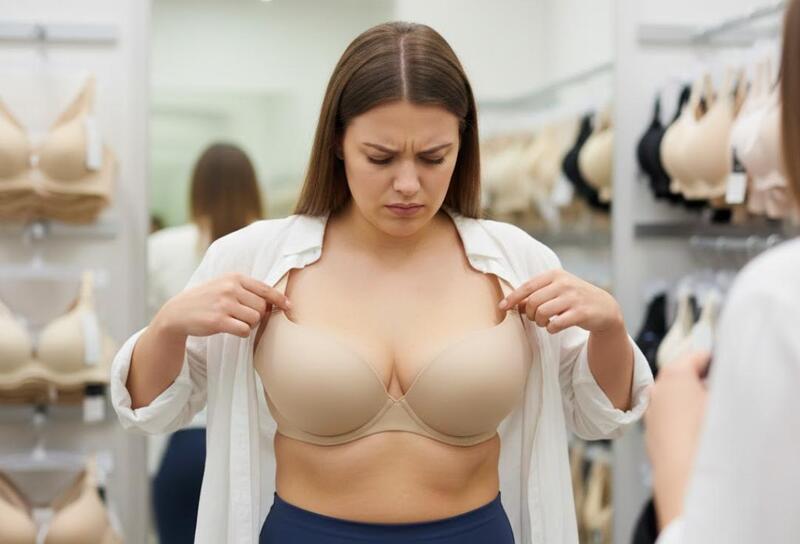
What Does Bra Size Actually Mean?
A bra size has two parts:
- Band size: the number (e.g. 34, 36, 38)
- Cup size: the letter (A, B, C, D, DD, etc.)
For example, 36D does not mean “big” on its own. Cup size is always relative to band size. A D cup on a 36 band is very different from a D cup on a 40 band.
This misunderstanding is one of the biggest reasons women with larger breasts end up in the wrong bras.
What You Need Before Measuring Your Bra Size
Before you start, keep it simple:
- A soft measuring tape
- A lightly lined or unpadded bra (no push-up)
- A mirror if possible
If you have a larger bust, accuracy matters more. Measuring over thick padding or without support often leads to an incorrect cup size, usually too small.
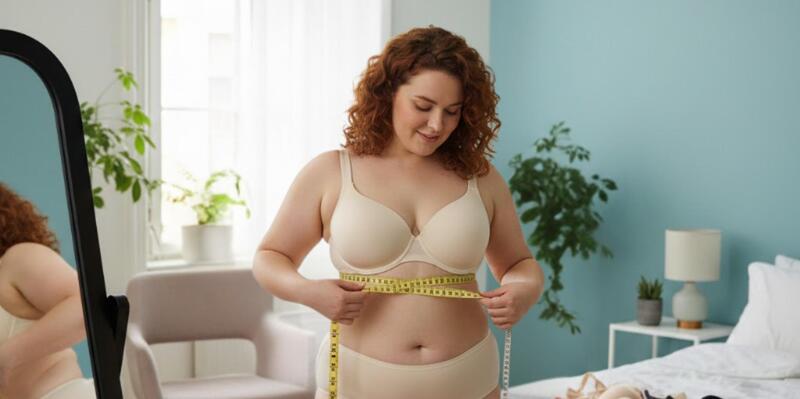
How to Measure Your Bra Size at Home (Step by Step)
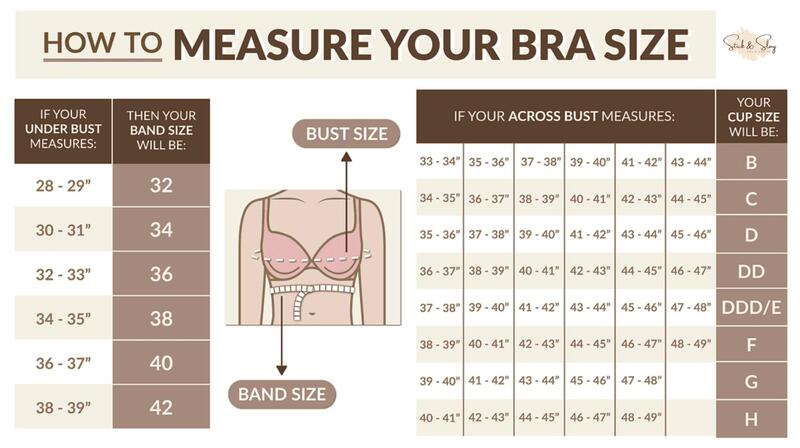
Step 1: Measure Your Band Size
Put on a lightly lined bra.
Wrap the tape measure snugly around your rib cage, directly under your breasts. Keep the tape level and parallel to the floor.
- Pull it snug, but not tight
- Breathe normally
- Round to the nearest even number if needed
This number is your band size.
Example: If you measure 35 inches => your band size is 36
Step 2: Measure Your Bust Size
Now, measure around the fullest part of your bust.
- Keep the tape level
- Do not pull tight
- The tape should rest gently on your bust
For fuller breasts, leaning forward slightly can help ensure accuracy, especially if your bust sits lower.
Step 3: Calculate Your Cup Size
Subtract your band size from your bust measurement.
Each inch of difference equals a cup size:
- 1 inch = A
- 2 inches = B
- 3 inches = C
- 4 inches = D
- 5 inches = DD
Common Bra Sizing Mistakes (Especially for Larger Busts)
From experience, these are the mistakes I see most often:
- Measuring while wearing a push-up bra
- Choosing a larger band instead of a larger cup
- Assuming “DD” is rare or extreme
- Never re-measuring after weight or hormonal changes
Many women with larger breasts don’t actually need a bigger band – they need a deeper cup and better support. This is where fit matters more than labels.
For outfits that make traditional bras difficult, some women explore alternative solutions designed specifically as bra for large breasts, including supportive sticky and strapless options that prioritize lift without digging in.
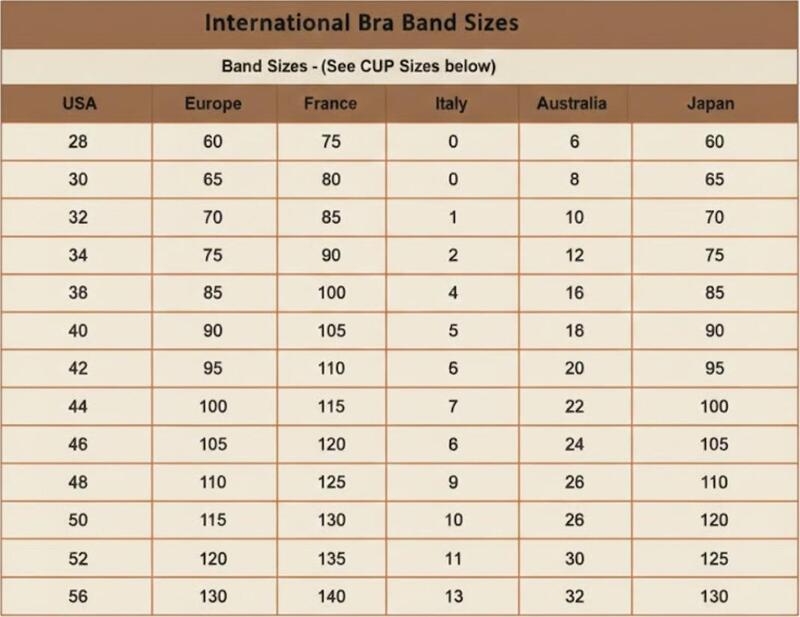
Does Bra Size Vary by Brand or Country?
Yes, absolutely.
- US, UK, and EU sizing systems are different
- Some brands run shallow or deep in the cup
- Sister sizes exist (e.g. 36DD = 38D)
This is why knowing your measurements matters more than memorizing one size. Once you know your numbers, you can adapt across brands, including modern brands like Stick & Slay that focus on inclusive fit rather than outdated sizing rules.
When Should You Re-Measure Your Bra Size?
You should re-measure if:
- Your weight changes
- You experience hormonal shifts
- You’ve been pregnant or breastfeeding
- Your bras suddenly feel uncomfortable
As a general rule, measuring every 6-12 months helps ensure continued comfort, especially for fuller busts where small changes have a big impact.
Frequently Asked Questions
What if I’m between two cup sizes?
Try the larger cup first. For bigger breasts, a slightly larger cup usually offers better comfort and shape.
Is a D or DD cup considered large?
Cup size alone doesn’t define breast size. Band size matters just as much.
Why does my bra dig in even when the size seems right?
Often, the band is too loose and the cups are too small — forcing the straps to do all the work.
Can I measure my bra size without a tape?
You can estimate, but for larger busts, a tape measure is strongly recommended for accuracy.
Your Size Is Just Information, Not a Label
Learning what bra size you are isn’t about fitting into a category, it’s about understanding your body. As someone with a fuller bust, I know how frustrating it feels to think the problem is your body, not the bra.
Once you know your true size, everything changes. Clothes fit better. Your posture improves. You stop adjusting all day. And you can finally choose options, whether traditional bras or modern alternatives like supportive sticky bras for larger breasts that actually work for you.
Your body isn’t difficult. It just deserves the right fit.